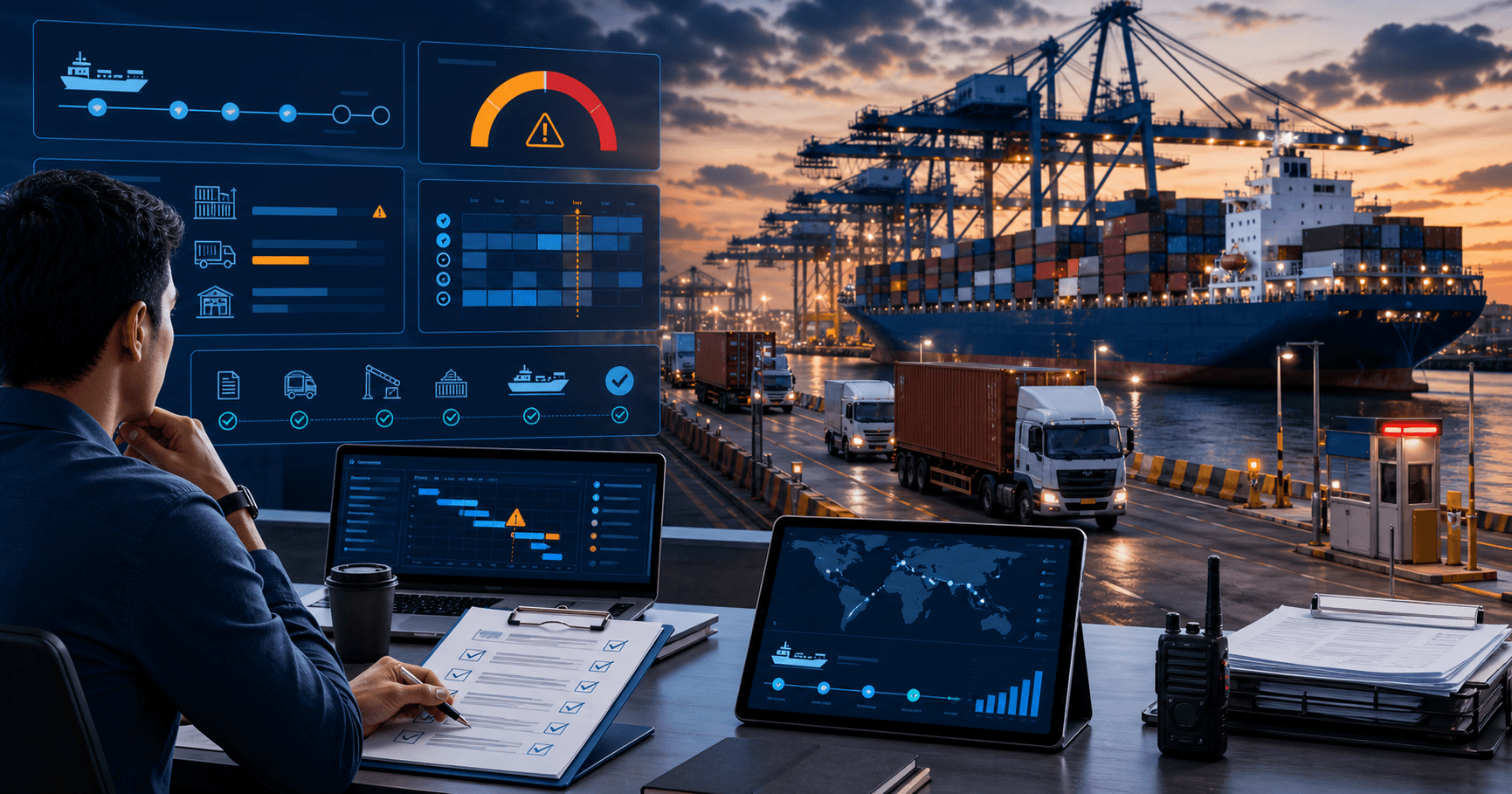
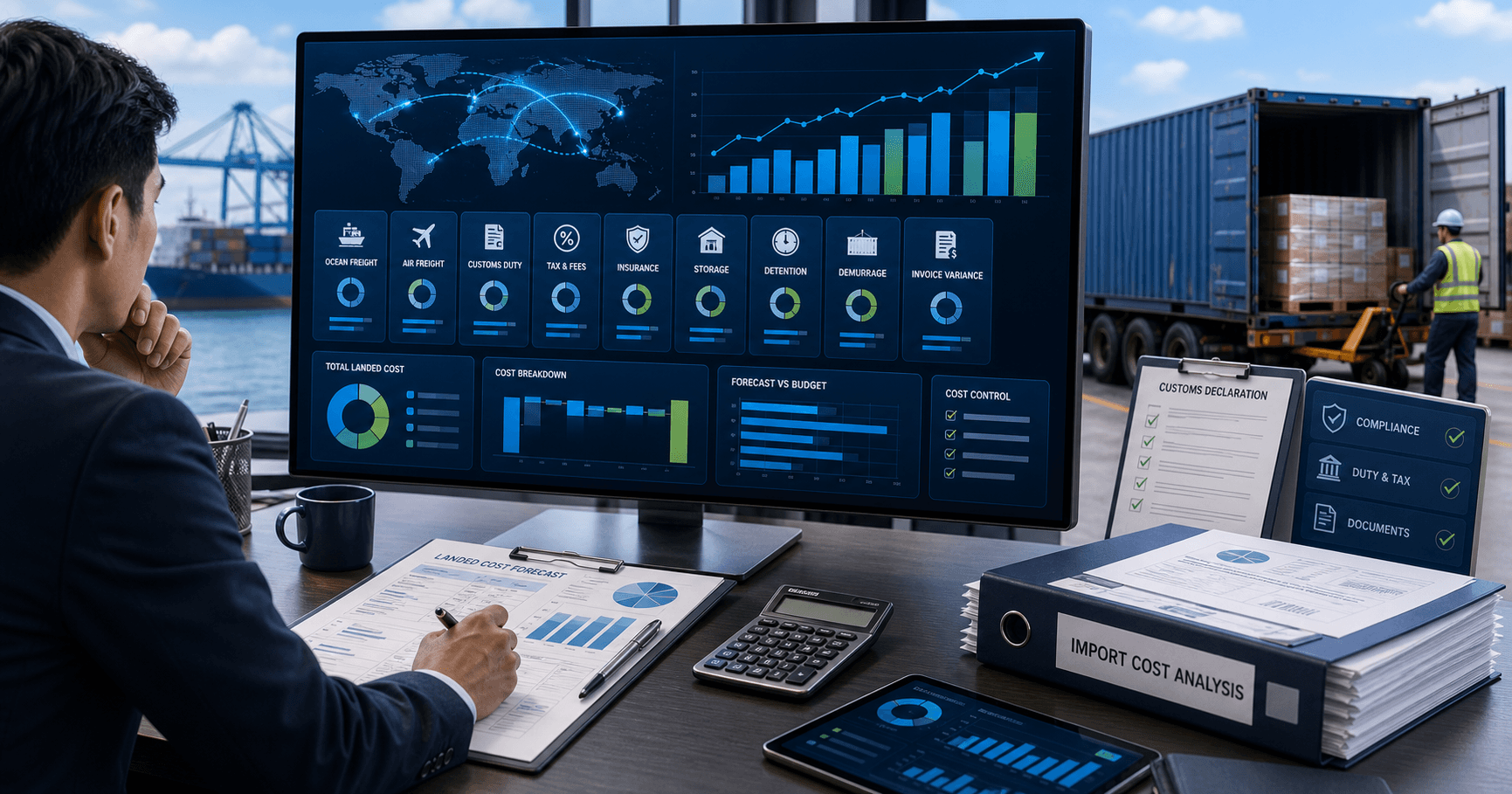
International freight costs can represent 10-40% of your product landed cost. In an era of volatile freight markets and rising surcharges, controlling your logistics spend is a competitive advantage. This guide gives you a proven playbook for reducing shipping costs without sacrificing reliability.
Why International Freight Costs Are So Volatile
Freight rates are driven by a complex mix of factors: global trade volumes, fuel prices, vessel and aircraft capacity, port congestion, geopolitical events, and carrier alliance decisions. Understanding these drivers helps you anticipate rate movements and time your bookings more strategically.
How Freight Rates Are Structured
Ocean Freight Components
- Base rate — The core ocean freight charge per container or per CBM
- BAF (Bunker Adjustment Factor) — Fuel surcharge, fluctuates with oil prices
- CAF (Currency Adjustment Factor) — Compensates carriers for currency fluctuations
- PSS (Peak Season Surcharge) — Applied during high-demand periods
- THC (Terminal Handling Charges) — Port loading and unloading fees
10 Strategies to Reduce Your International Freight Costs
- Consolidate shipments — Combine smaller orders into fewer, larger shipments. LCL consolidation costs less per unit than multiple small parcels.
- Book in advance — Last-minute bookings command premium rates. Lock in space 4-8 weeks ahead on peak lanes.
- Negotiate volume discounts — If you ship regularly, negotiate annual rate agreements based on committed volume.
- Optimise packaging — Reduce dimensional weight by right-sizing cartons and pallets.
- Use the right incoterm — Buying on DDP or CIF means paying your supplier logistics markup. FOB or EXW gives you control of freight costs.
- Get competitive quotes — Request quotes from multiple forwarders. CargoLinked makes this instant and transparent.
- Avoid peak season where possible — October-November and post-Chinese New Year are the most expensive periods.
- Consider FCL over LCL — Once cargo exceeds 12-15 CBM, FCL often becomes cheaper when you factor in all charges.
- Evaluate China-Europe rail — Rail can offer 30-40% savings versus air at roughly half the transit time of ocean.
- Audit your freight invoices — 5-10% of freight invoices contain billing errors. Implement systematic invoice auditing to recover overcharges.
Total Landed Cost: The Right Way to Measure Freight Spend
The freight rate is just one component of total landed cost. True cost comparison must include: freight rate, origin charges (collection, export customs, THC), destination charges (import duties, taxes, THC, delivery), cargo insurance, and the cost of delay. A slightly higher freight rate from a more reliable forwarder can deliver lower total landed cost than the cheapest option with poor on-time delivery.
Technology and Cost Reduction
Digital freight platforms are transforming cost management for shippers. AI-powered rate benchmarking, automated invoice auditing, and real-time market intelligence are now accessible to mid-market shippers through platforms like CargoLinked.