International freight forwarding is the backbone of global trade. Every year, billions of tonnes of goods move across borders and behind almost every successful shipment is a freight forwarder. This guide covers everything shippers need to know in 2026.
What Is International Freight Forwarding?
A freight forwarder is a specialist intermediary that organises the transportation of goods on behalf of shippers. They leverage relationships with carriers to secure space and negotiate rates that individual shippers could rarely access alone. Think of a freight forwarder as your outsourced logistics department handling route planning, carrier booking, documentation, customs clearance, and cargo insurance.
How International Freight Forwarding Works
- Quotation and booking — The forwarder quotes freight rates and books space with the relevant carrier.
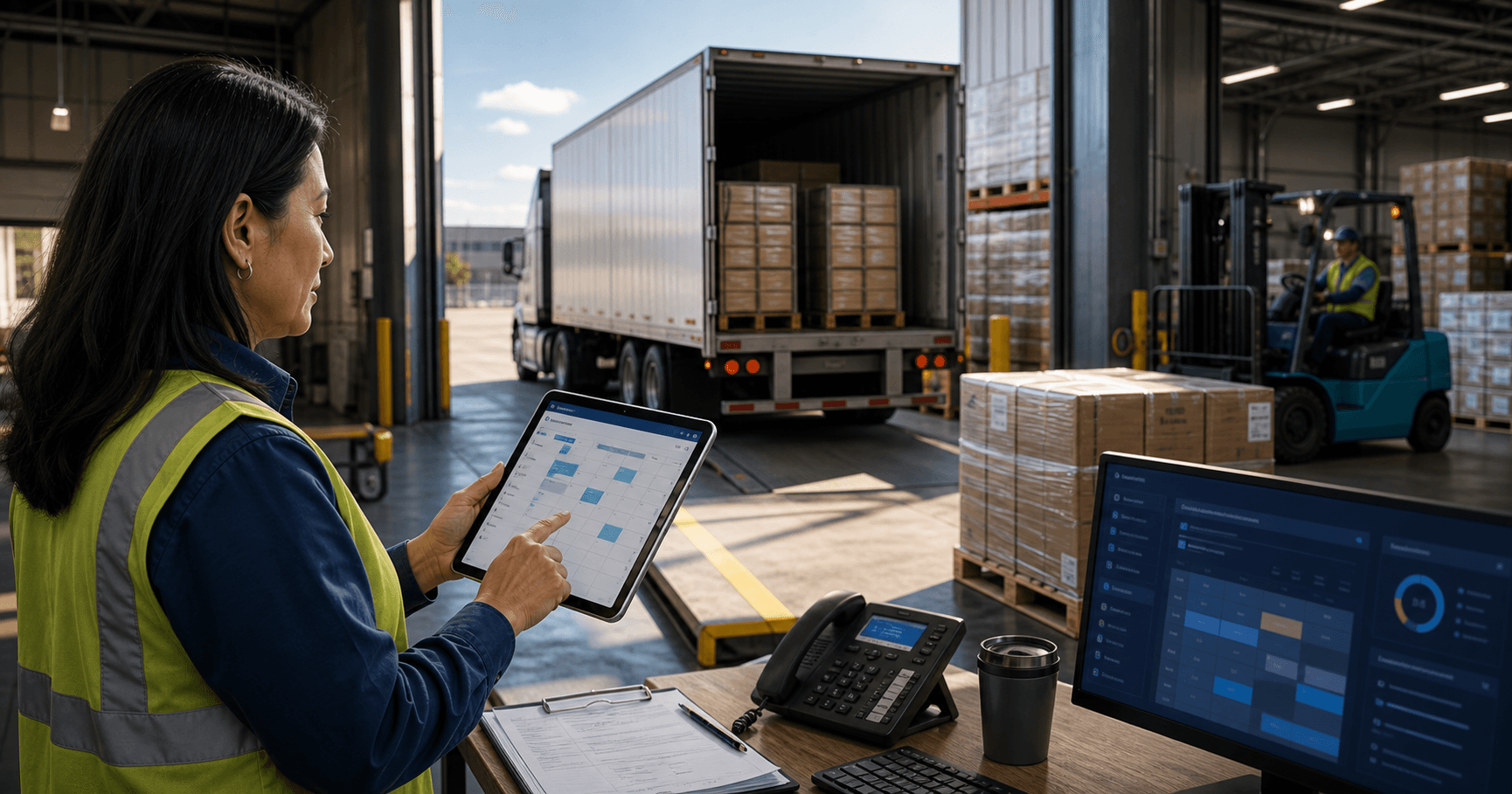
- Cargo collection — Goods are picked up from the shipper warehouse and transported to the port or airport.
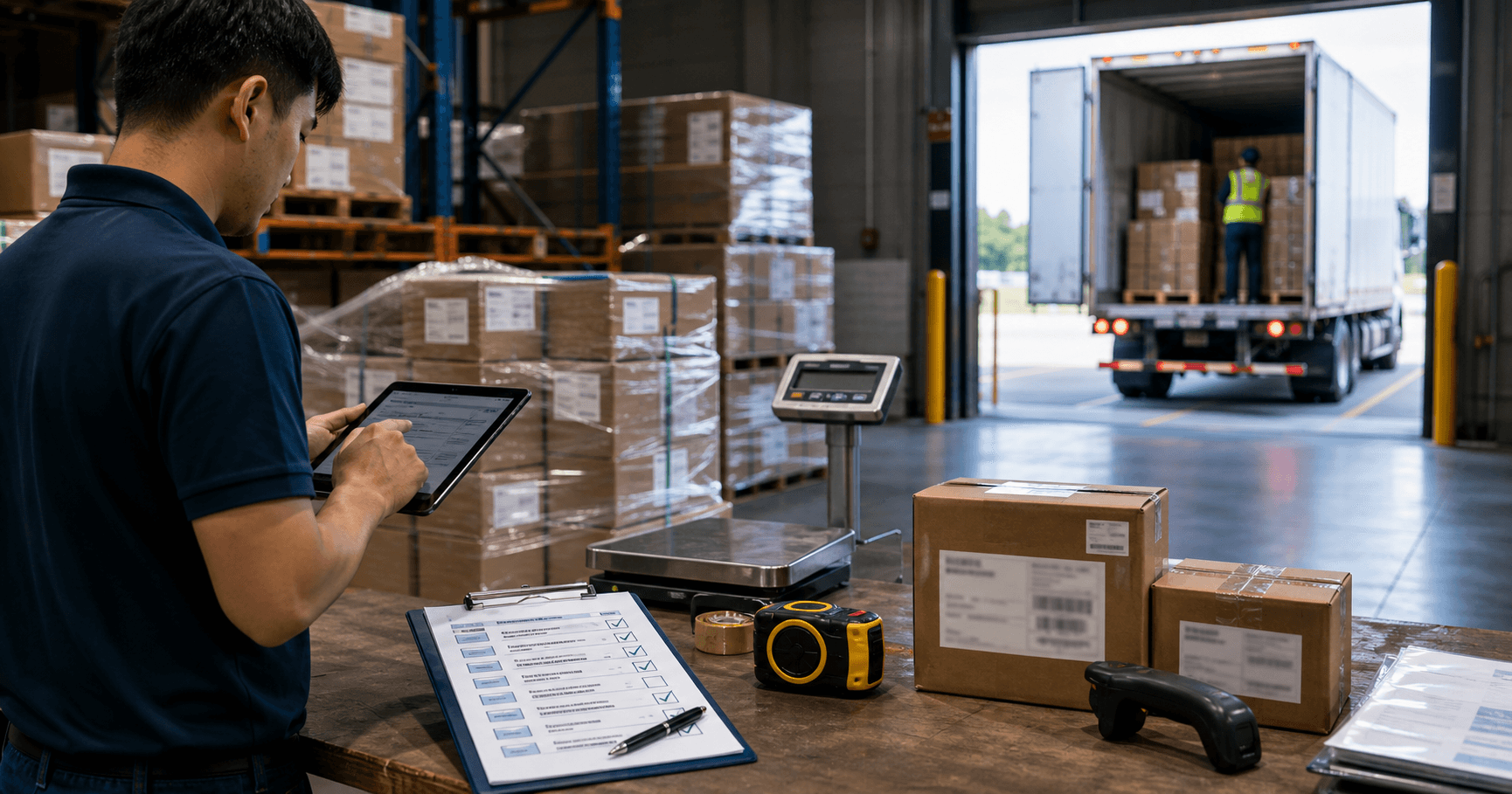
- Export documentation — The forwarder prepares the commercial invoice, packing list, bill of lading, and certificates of origin.
- Export customs clearance — The shipment is declared to origin-country customs and cleared for export.
- Main carriage — Cargo moves by sea, air, road, or rail to the destination country.
- Import customs clearance — At destination, the forwarder files the import declaration and pays duties on the shipper behalf.
- Last-mile delivery — The cargo is delivered to the consignee door or a designated warehouse.
Core Services Freight Forwarders Provide
- Ocean freight — FCL and LCL bookings on major shipping lines.
- Air freight — Urgent or high-value cargo via commercial or charter airlines.
- Road and rail freight — Cross-border trucking and rail solutions.
- Customs brokerage — Filing import/export declarations and managing duty payments.
- Cargo insurance — All-risk or named-peril coverage for goods in transit.
- Warehousing and distribution — Temporary storage, consolidation, and pick-and-pack services.
Types of Freight Forwarders
- Generalist forwarders — Handle all cargo types across multiple modes and trade lanes.
- Specialist forwarders — Focus on specific industries or cargo types (pharma, dangerous goods, temperature-controlled).
- NVOCC — Issues their own bills of lading and consolidates cargo from multiple shippers.
- Digital freight forwarders — Tech-first platforms offering instant quotes, online booking, and real-time tracking.
How to Choose the Right Freight Forwarder
- Licences and accreditations — Look for FIATA membership, IATA cargo agent status, and local customs broker licences.
- Trade lane expertise — Does the forwarder have a strong network on your specific origin-destination corridor?
- Technology and visibility — Can they provide real-time tracking and integrate with your ERP?
- References and reviews — Check verified ratings on platforms like CargoLinked.
Freight Forwarding Costs Explained
- Origin charges — Inland haulage, export customs fees, port/terminal handling charges (THC).
- Main carriage — Ocean or air freight rate plus surcharges (BAF, CAF, PSS).
- Destination charges — Import duties, destination THC, delivery charges.
Always request a door-to-door all-in quote to avoid surprise costs. CargoLinked shows transparent, itemised quotes from verified forwarders so you can compare properly.
The Future of Freight Forwarding
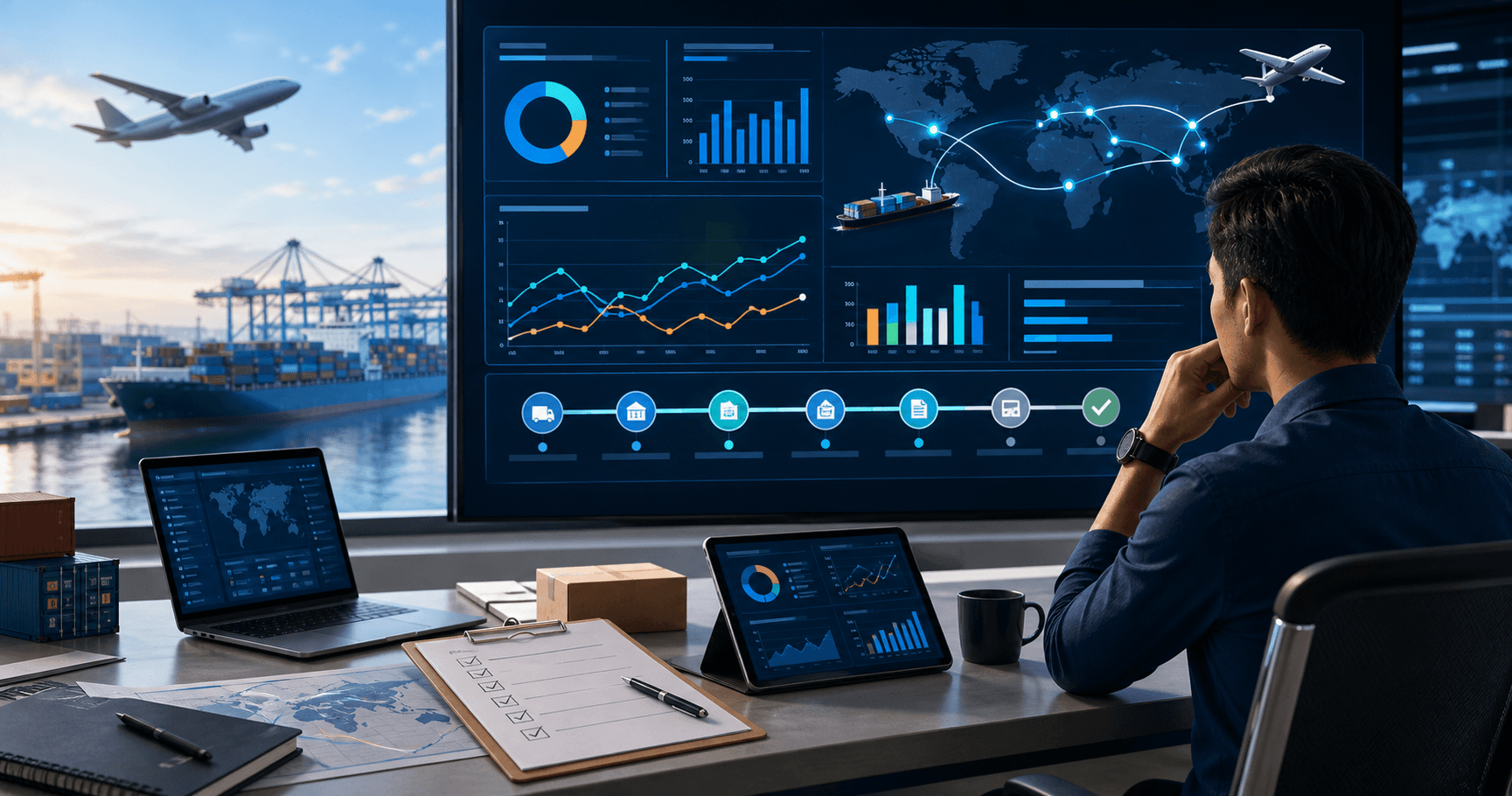
The global freight forwarding market is projected to reach $536 billion by 2034. Digital freight marketplaces are reshaping how shippers discover, compare, and engage forwarders. CargoLinked connects shippers with verified freight forwarders across all major trade lanes, making global shipping more transparent and accessible for businesses of all sizes.